

19 May Children and Screen Time: Protecting Young Eyes
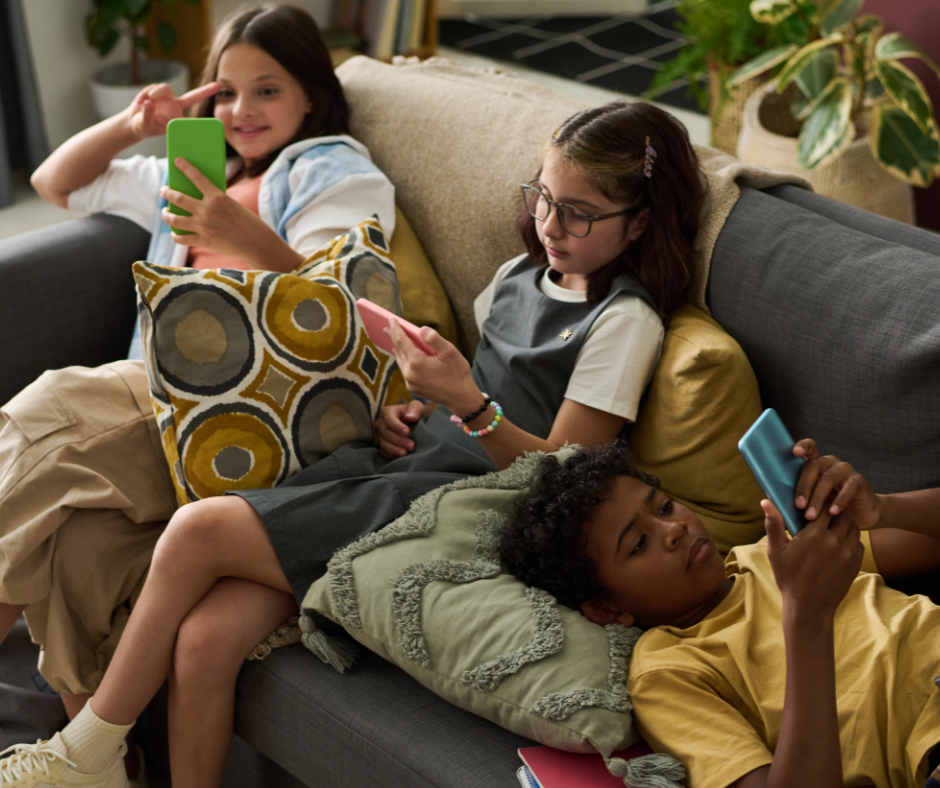
In today’s digital world, screens are an unavoidable part of daily life; especially for children. From online learning and homework to entertainment and social interaction, screen time has significantly increased in recent years. While technology offers many benefits, prolonged and unregulated screen exposure can have noticeable effects on children’s vision and overall eye health.
Understanding how screen use impacts young eyes is the first step toward protecting them.
How Screen Time Affects Children’s Vision
Children’s eyes are still developing, which makes them more sensitive to visual stress compared to adults. Extended screen use can lead to a condition commonly referred to as digital eye strain, or computer vision syndrome. This occurs when the eyes are overworked due to prolonged focus on screens without adequate breaks.
Some of the most common symptoms include:
- Eye fatigue or discomfort
- Dry or irritated eyes
- Blurred vision
- Headaches
- Difficulty focusing
Unlike traditional activities such as reading printed books, digital screens introduce additional challenges. Glare, brightness, contrast, and constant focus at a fixed distance all contribute to increased strain on the eyes.
Reduced Blinking and Dry Eyes
One of the lesser-known effects of screen use is reduced blinking. Studies show that people blink significantly less when using digital devices, and children are no exception. Blinking is essential for maintaining a healthy tear film, which keeps the eyes lubricated and comfortable.
When children spend long hours on screens, reduced blinking can lead to dryness, irritation, and a gritty sensation in the eyes. Over time, this can make screen use increasingly uncomfortable and may even discourage proper visual habits.
Impact on Myopia (Nearsightedness)
There is growing concern about the relationship between increased screen time and the rise of myopia (nearsightedness) in children. While screen use alone is not the sole cause, prolonged near work—such as reading, tablet use, or smartphone use—combined with limited outdoor activity has been linked to a higher risk of developing myopia.
Children who spend more time indoors and less time exposed to natural daylight may be more likely to experience faster progression of myopia. This is particularly important because higher levels of myopia can increase the risk of other eye health complications later in life.
Blue Light and Sleep Disruption
Digital screens emit blue light, which can interfere with the body’s natural sleep-wake cycle. For children who use devices in the evening, especially before bedtime, this exposure can suppress melatonin production; the hormone responsible for regulating sleep.
Poor sleep quality not only affects overall health and mood but can also contribute to eye fatigue and reduced visual comfort the next day. Establishing healthy screen habits in the evening is therefore essential for both eye health and general well-being.
Warning Signs Parents Should Watch For
Children may not always recognize or communicate vision problems clearly. Instead, they may show subtle signs that something is wrong. Parents should be mindful of behaviors such as:
- Frequent eye rubbing
- Squinting while looking at screens or distant objects
- Complaints of headaches or tired eyes
- Holding devices very close to the face
- Avoiding reading or screen activities
These signs may indicate underlying vision issues or strain caused by excessive screen use.
Practical Tips to Protect Young Eyes
While it’s unrealistic to eliminate screens entirely, there are several practical steps parents can take to reduce the impact on their children’s eyes:
- Follow the 20-20-20 Rule
Encourage children to take a break every 20 minutes by looking at something 20 feet away for at least 20 seconds. This helps relax the focusing muscles of the eyes. - Limit Screen Time
Set age-appropriate limits for recreational screen use. Balance digital activities with physical play and outdoor time. - Encourage Outdoor Activities
Spending time outdoors has been shown to support healthy eye development and may help slow the progression of myopia. - Maintain Proper Viewing Distance
Screens should be held at least an arm’s length away, and positioned slightly below eye level to reduce strain. - Ensure Good Lighting
Avoid using screens in very dark environments. Proper ambient lighting can reduce glare and improve visual comfort. - Promote Regular Blinking
Remind children to blink more often, especially during extended screen sessions. - Create Screen-Free Bedtime Routines
Limiting device use at least one hour before bed can help protect sleep quality and reduce eye strain.
The Importance of Regular Eye Exams
Routine eye exams play a crucial role in detecting and managing vision issues early. Even if a child does not complain of vision problems, regular check-ups can identify subtle changes that may otherwise go unnoticed.
Eye exams can assess visual acuity, eye coordination, focusing ability, and overall eye health. For children with increasing screen exposure, these evaluations are especially important to ensure their eyes are developing properly and to address any concerns before they progress.
Final Thoughts
Screens are here to stay, and they will continue to play a significant role in children’s education and daily life. However, mindful usage and healthy habits can make a meaningful difference in protecting young eyes. By encouraging balanced screen time, promoting outdoor activities, and staying attentive to early signs of eye strain, parents can help safeguard their children’s vision for the long term.
If your child is spending more time on screens, regular eye exams are key to protecting their developing vision. Book a comprehensive eye check-up with Dr. D’Orio Eye Care to ensure their eyes stay healthy and supported at every stage.
📞 Toronto: 416-656-2020 | North York: 416-661-5555 | Book your appointment: https://drdorioeyecare.com/book-appointment