


12 Nov Is Reading in the Dark Bad for Your Eyes? Separating Myth from Fact
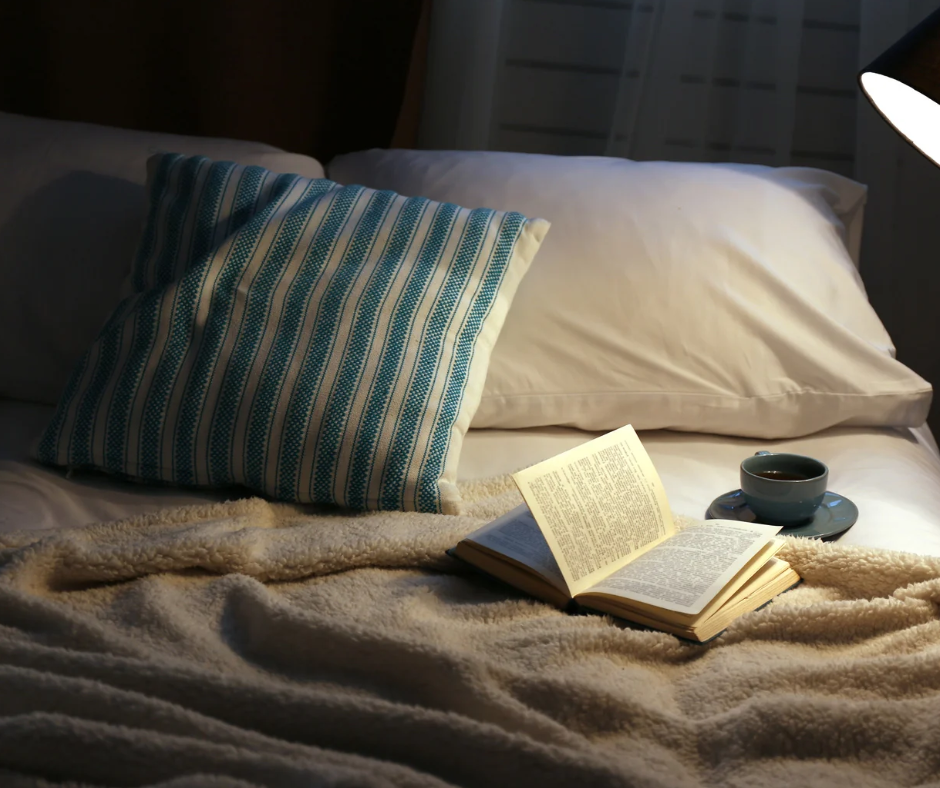
Have you ever been told to stop reading in dim light because you will ruin your eyesight? Perhaps you have read a book under the covers with a flashlight, stayed up with a novel beside a bedside lamp, or tried to finish a few pages in a poorly lit room.
For generations, people have warned that reading in the dark can damage your eyes. But is there any truth to this familiar advice?
The good news is that reading in dim light does not permanently damage healthy eyes or cause lasting vision loss. However, insufficient lighting can make reading less comfortable and contribute to temporary eye strain. Understanding the difference between discomfort and actual eye damage can help you create a more comfortable reading environment.
What Happens When You Read in Dim Lighting?
Your eyes work continuously to help you focus on words, recognise details, and adjust to the amount of light around you. When you read in a dimly lit room, your eyes have to work harder to make the text clear and comfortable to see.
You may notice that the words appear less distinct, you need to hold your book at a different angle, or you find yourself squinting to make out a smaller print. After a while, you might also experience tired eyes, mild headaches, or difficulty concentrating.
These symptoms are generally temporary. Once you move to better lighting or give your eyes a break, the discomfort often improves.
Dim lighting does not cause your eyes to wear out, nor does it automatically mean your prescription will become stronger. It simply makes a visually demanding task more difficult than it needs to be.
Why Can Reading in Low Light Cause Eye Strain?
Several factors explain why reading in poor lighting can leave your eyes feeling tired.
- Your eyes have to work harder to see details.
When less light reaches your eyes, it becomes more difficult to distinguish fine details and small print. You may find yourself concentrating harder or adjusting your reading position to see the words clearly.
- You may squint more frequently.
Squinting can temporarily make text appear sharper, but repeatedly doing so may contribute to facial tension and discomfort. If you regularly need to squint even when the lighting is adequate, your vision may need to be assessed.
- You may blink less often.
Concentrating closely on a book or screen can reduce how frequently you blink. Blinking helps spread tears across the surface of your eyes, keeping them lubricated. When you blink less, your eyes may begin to feel dry, gritty, or irritated.
- Existing vision problems may become more noticeable.
If you need reading glasses or have an uncorrected vision problem, dim lighting can make reading particularly challenging. You might notice blurry text, headaches, or difficulty focusing even after improving the lighting.
These symptoms do not necessarily mean that poor lighting has damaged your eyes. However, persistent discomfort deserves attention rather than being dismissed as ordinary eye strain.
How to Make Reading More Comfortable at Home
You do not need to give up evening reading or switch on every light in the house. A few simple adjustments can make a meaningful difference.
Choose a suitable reading light. Use a lamp that provides enough illumination to see the text clearly without creating harsh glare. A bedside lamp or adjustable reading light can work well.
Position the light thoughtfully. For a printed book, place the light so it illuminates the page without shining directly into your eyes. If you are right-handed, positioning the lamp on your left can help reduce shadows from your writing or reading hand, with the opposite arrangement often working better for left-handed readers.
Adjust the distance and size of the text. Hold your book at a comfortable reading distance. If the print is too small, consider a larger-print edition rather than continually bringing the book closer to your face.
Take occasional breaks. Reading for extended periods can cause visual fatigue, especially when you are concentrating on small text. Pause periodically, look across the room, and allow your eyes to relax before returning to the page.
Remember to blink. It is easy to forget when you are absorbed in a story. Make a conscious effort to blink normally, particularly if your eyes tend to feel dry while reading.
Pay attention to glare and contrast. Bright light is not always better. A light source that reflects off glossy pages or a screen can be just as uncomfortable as insufficient lighting. Aim for balanced illumination and text that is easy to distinguish from the background.
Does Reading on a Phone in the Dark Make a Difference?
Reading on a phone or tablet in a dark room can create a different lighting challenge. A bright screen against a dark background may feel uncomfortable, particularly when the display is set to maximum brightness.
Digital reading can also contribute to eye strain because people tend to blink less when concentrating on screens. This may lead to temporary dryness, tired eyes, or blurred vision.
Try lowering your screen brightness to a comfortable level, increasing the text size, and taking regular breaks. A warm-colour or night-mode setting may make the display more comfortable for some people, especially in the evening, although it is not a treatment for eye strain.
The key is comfort, not avoiding screens altogether. There is no good evidence that ordinary screen use in a dark room permanently damages healthy eyes simply because the surrounding lighting is low.
When Should You Pay Attention to Eye Discomfort?
Occasional tiredness after reading is usually nothing to worry about. However, frequent headaches, persistent blurry vision, ongoing dryness, or difficulty reading even in good lighting may indicate an underlying issue.
Changes in your ability to focus can occur for several reasons, including refractive errors, dry eye, and age-related changes in near vision. An eye care professional can help determine what may be contributing to your symptoms.
Seek urgent medical attention if you experience sudden vision loss or a sudden change in vision, particularly when accompanied by severe eye pain.
The Bottom Line
Reading in dim light may make your eyes feel tired, but it does not permanently damage healthy eyes. Good lighting, comfortable reading distances, regular breaks, and proper vision correction can make reading more enjoyable and reduce unnecessary strain.
You can keep your favourite bedtime reading ritual. Just give your eyes the lighting and comfort they need.
If reading has become increasingly difficult or your eyes frequently feel tired, blurry, or uncomfortable, it may be time to have your vision assessed.
Ready to prioritise your eye health?
Toronto: 416-656-2020 | North York: 416-661-5555
Book an appointment: https://drdorioeyecare.com/book-appointment