


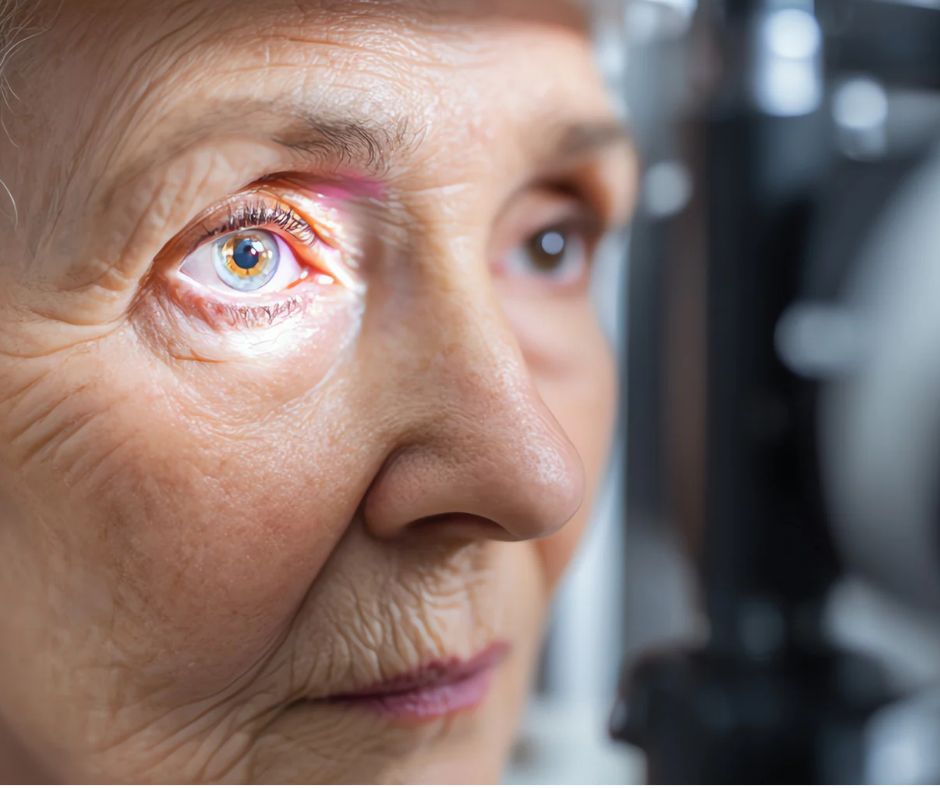
17 Nov Glaucoma Often Has No Early Symptoms: What You Should Know
When something affects your health, you often expect to notice a warning sign. Your eyes may become red, your vision may blur, or you might experience discomfort that tells you something is wrong.
Glaucoma does not always work that way.
Glaucoma is a group of eye diseases that damage the optic nerve, which carries visual information from your eyes to your brain. In many cases, the damage develops gradually without noticeable symptoms in the early stages. You may continue seeing clearly and going about your daily activities without realising that your vision is changing.
This is why understanding glaucoma and prioritising regular, appropriate eye examinations are important steps in protecting your long-term vision.
What Is Glaucoma?
The optic nerve plays an essential role in sight. It transmits the information your eyes receive to your brain, allowing you to recognise faces, read, navigate your surroundings, and see the world around you.
Glaucoma damages this nerve over time. Without appropriate treatment, the damage can lead to permanent vision loss and, in advanced cases, blindness.
One important risk factor is elevated pressure inside the eye. Your eyes continually produce a clear fluid that circulates and drains through structures at the front of the eye. If this fluid does not drain properly, pressure can build up and increase the risk of optic nerve damage.
However, glaucoma can also develop in people whose eye pressure falls within the usual range. This means that measuring eye pressure alone is not enough to determine whether someone has glaucoma.
There are several types of glaucoma, but primary open-angle glaucoma is particularly known for progressing slowly and often without early warning signs.
Why Can Glaucoma Go Unnoticed?
One of the most challenging aspects of glaucoma is that it can affect vision gradually.
In many cases, early damage involves peripheral vision, which is the area you see outside your direct line of sight. Because you use your central vision for tasks such as reading and recognising faces, you may not immediately notice subtle changes at the edges of your visual field.
Your brain can also adapt to gradual changes, making it difficult to recognise that something is different. You might continue performing everyday tasks comfortably even as damage progresses.
As glaucoma advances, you may begin to notice missing areas of vision or difficulty seeing objects to the side. More extensive damage can eventually affect central vision.
Unfortunately, vision loss caused by glaucoma cannot generally be reversed. Treatment focuses on slowing or preventing further damage, which makes early detection particularly important.
The absence of symptoms does not necessarily mean your eyes are healthy. It is possible to have glaucoma while still feeling perfectly fine and seeing relatively clearly.
Who Is at Greater Risk of Developing Glaucoma?
Glaucoma can affect people of different ages, but certain factors can increase your risk.
Age: The likelihood of developing glaucoma generally increases as you get older.
Family history: Having a close relative with glaucoma can increase your risk. If a parent or sibling has been diagnosed, let your eye care professional know.
Certain health and demographic factors: Some forms of glaucoma occur more frequently in particular populations. For example, people of African ancestry have an increased risk of developing primary open-angle glaucoma, often at a younger age. Other populations may have a higher risk of certain types of glaucoma.
Eye-related factors: Elevated eye pressure, certain optic nerve characteristics, and other anatomical or medical factors can influence your risk.
Having one or more risk factors does not mean you will necessarily develop glaucoma. Equally, people without obvious risk factors can still develop the disease.
Understanding your individual risk helps your eye care professional determine how often you should be examined and which tests may be appropriate.
How Can an Eye Examination Detect Glaucoma?
Because early glaucoma may not cause noticeable symptoms, a comprehensive eye examination can play an important role in identifying changes before significant vision loss occurs.
Depending on your circumstances, your optometrist may use several assessments.
Eye pressure measurement: This test measures the pressure inside your eyes. Elevated pressure can indicate increased risk, but normal pressure does not rule out glaucoma.
Optic nerve assessment: Your optometrist examines the optic nerve for structural changes that may suggest damage. Imaging technology, such as optical coherence tomography (OCT), may help measure and monitor the nerve’s structure.
Visual field testing: This assessment checks your peripheral vision and can identify areas of reduced sensitivity that you may not have noticed yourself.
Additional examinations and measurements: Your optometrist may assess other features of your eyes, including their drainage angle, depending on your risk factors and clinical findings.
No single measurement provides the complete picture. Your eye care professional considers the findings together, along with your medical history and individual risk factors, to determine whether further investigation or monitoring is needed.
Can Glaucoma Be Treated?
Although glaucoma-related damage cannot generally be reversed, treatment can help reduce the risk of further vision loss.
Treatment commonly involves prescription eye drops that lower pressure inside the eye. Depending on the type and severity of glaucoma, laser treatment or surgery may also be recommended.
If you are diagnosed with glaucoma, following your treatment plan and attending recommended follow-up appointments are essential. Because the condition can progress without obvious symptoms, you should not rely on how your eyes feel to determine whether treatment is working.
Your optometrist may monitor your eye pressure, optic nerve, and visual field over time to look for changes and help guide your ongoing care. Some patients may also need assessment or treatment from an ophthalmologist who specialises in glaucoma.
Why You Shouldn’t Wait for Symptoms
It is easy to postpone an eye appointment when your vision seems clear and your eyes feel comfortable. Glaucoma is a reminder that some important eye conditions cannot be identified by symptoms alone.
How often you need an eye examination depends on factors such as your age, family history, medical history, and previous examination findings. Your optometrist can recommend an appropriate schedule based on your individual needs.
Sudden severe eye pain, redness, blurred vision, halos around lights, headache, or nausea can indicate acute angle-closure glaucoma, a medical emergency. Seek immediate medical attention if these symptoms occur together, rather than waiting for a routine appointment.
Protecting Your Vision Starts With Awareness
Glaucoma can progress quietly, but early detection and appropriate treatment can make a meaningful difference in protecting your remaining vision.
Knowing your family history, understanding your risk factors, and keeping up with recommended eye examinations are practical steps you can take even when everything appears normal.
You do not need to wait until your vision changes to pay attention to your eye health. Sometimes, the most important problems are the ones you cannot see for yourself.
Make your eye health a priority.
Toronto: 416-656-2020 | North York: 416-661-5555
Book an appointment: https://drdorioeyecare.com/book-appointment