


26 Mar How Seasonal Changes Affect Your Eyes (Spring Edition)
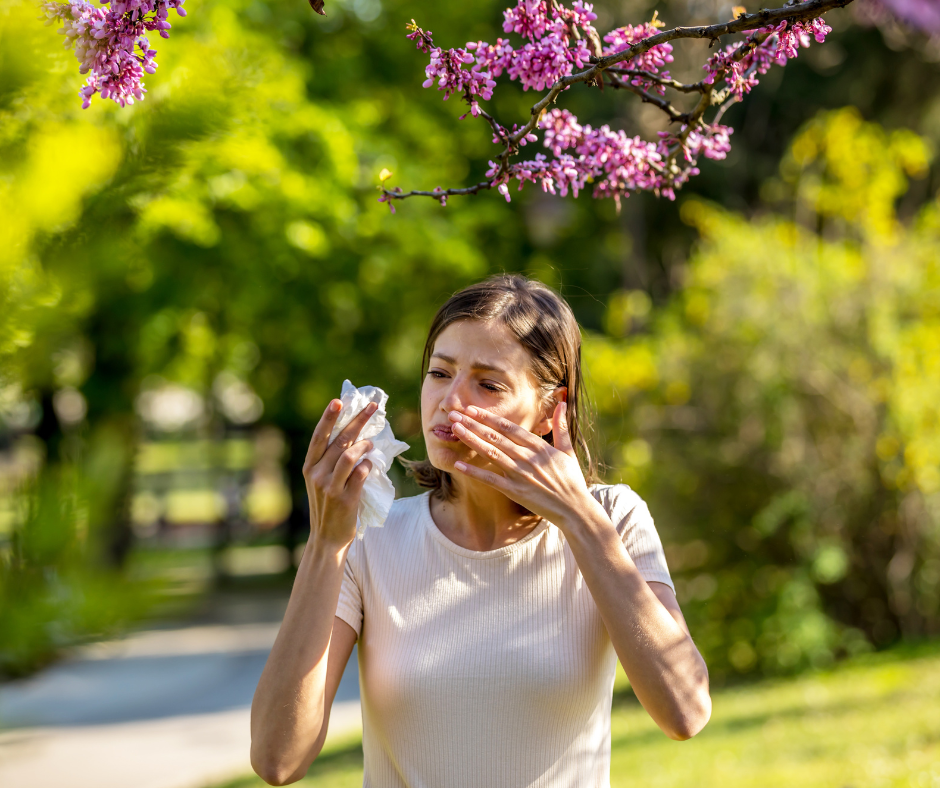
Spring is a season of renewal; longer days, warmer temperatures, and blooming flowers. But while these changes bring fresh air and sunshine, they can also affect your eyes. From allergens to increased UV exposure, spring can trigger redness, dryness, and irritation if you’re not careful. Understanding these seasonal effects helps you keep your eyes healthy and comfortable all season long.
Spring’s Impact On Eye Health
Spring brings higher pollen counts, more sunlight, and windier days, which can disrupt the tear film; the natural oil, water, and mucus layer that keeps eyes lubricated. These factors can lead to conditions like allergic conjunctivitis and dry eye syndrome for people of all ages.
Allergens
Common spring allergens include:
- Pollen from trees, grasses, and flowers
- Mold spores from damp areas or decaying leaves
- Dust and pet dander stirred up by open windows
Allergic conjunctivitis often presents as red, itchy, watery eyes, or swollen eyelids. Relief can come from cool compresses, artificial tears, or antihistamine eye drops. Avoiding exposure by keeping windows closed during high-pollen days or using HEPA filters also helps. Regular eye exams are particularly important for allergy sufferers, especially if symptoms intensify.
UV Radiation
With longer days and stronger sunlight, UV exposure increases. Prolonged exposure can damage the cornea and lens, raising the risk of cataracts and retinal damage over time. Sunglasses that block 100% of UVA and UVB rays are essential for eye protection, even on cloudy days and help reduce the impact of airborne allergens. Routine eye exams can detect early signs of UV damage and safeguard long-term vision.
Wind And Debris
Windy spring days can exacerbate dry eyes and increase the risk of irritation or injury from flying dust, pollen, or plant particles. Protective eyewear such as wraparound sunglasses or safety goggles can shield your eyes. Hydration, regular screen breaks, and artificial tears can also keep your eyes comfortable. Persistent dryness, pain, or blurred vision should be evaluated by an eye care professional.
Common Spring Eye Conditions
- Allergic Conjunctivitis: Red, itchy, watery eyes; swollen eyelids; burning sensations.
- Dry Eye Syndrome: Gritty or sandy sensations worsened by wind, pollen, or time outdoors.
- Photokeratitis: A sunburn of the cornea caused by excessive UV exposure, resulting in pain, redness, and sometimes blurry vision.
Regular eye exams in spring can identify these issues early, helping tailor treatments and keep eyes healthy throughout the season.
Proactive Spring Eye Care Tips
- Schedule an eye exam to ensure your eyes are in top shape.
- Wear sunglasses with 100% UV protection and consider wraparound frames for extra coverage.
- Practice hand hygiene and avoid rubbing your eyes.
- Stay hydrated to maintain tear production.
- Follow the 20-20-20 rule: every 20 minutes, look at something 20 feet away for 20 seconds.
- Use artificial tears for dryness, and take regular breaks from screens.
- For outdoor sports or windy conditions, wear protective goggles or prescription sunglasses.
Urban Pollen And Environmental Considerations
City environments can intensify allergy-related eye irritation. Dense landscaping, certain pollen-heavy trees, and air pollution all contribute to higher allergen levels. Using air purifiers indoors, monitoring local pollen forecasts, and timing outdoor activities for early mornings or after rainfall can reduce exposure.
Nutrition And Hydration
Proper hydration and diet support eye health:
- Drink at least 2 liters of water daily.
- Include high-water-content foods like cucumbers and oranges.
- Consume nutrients essential for vision: omega-3s (salmon, walnuts), vitamins C & E (citrus, nuts), and leafy greens (spinach, kale).
These simple habits help your eyes recover from environmental stressors and maintain long-term health.
When To Seek Professional Help
Pay attention to unusual or persistent eye symptoms:
- Redness, pain, or swelling that doesn’t improve
- Blurred vision or difficulty focusing
- Signs of irritation that interfere with daily activities
Prompt evaluation by an eye care professional ensures early detection of issues such as allergic conjunctivitis, dry eye, or more serious conditions like photokeratitis.
Conclusion
Spring brings fresh air, blooming flowers, and longer days but also challenges for eye health. Allergens, wind, and UV exposure can cause discomfort or even damage if ignored. Simple steps like wearing protective eyewear, hydration, screen breaks, and regular eye exams help maintain comfort and clear vision throughout the season. Prioritize your eyes this spring. Regular checkups, safe outdoor habits, and mindful care ensure your vision stays sharp, healthy, and ready for all the joys the season brings.
This spring, don’t let allergies, dryness, or increased UV exposure impact your vision. Take a proactive step to protect your eye health and keep your sight clear all season long. Call us today: Toronto: 416-656-2020 | North York: 416-661-5555. Book your appointment online: https://drdorioeyecare.com/book-appointment