


14 Apr Spring Eye Allergies: Why Your Eyes React And What Actually Helps
Spring brings longer days, warmer weather, and for many, uncomfortable eye symptoms. If your eyes feel itchy, watery, or irritated this time of year, you’re not alone. Spring eye allergies, also known as allergic conjunctivitis, are a common response to increased pollen and environmental allergens.
Understanding what’s causing your symptoms and how to manage them can help you stay comfortable and protect your eye health throughout the season.
Why Spring Eye Allergies Happen
Eye allergies occur when your immune system overreacts to normally harmless substances like pollen, mold spores, or dust. In spring, trees, grasses, and flowers release large amounts of pollen into the air, making it peak allergy season.
Pollen And Airborne Allergens
Pollen is one of the biggest triggers. On dry, windy days, pollen can travel long distances and easily come into contact with your eyes. Even in urban areas, exposure can be significant.
For contact lens wearers, symptoms may feel worse. Pollen can stick to lenses, increasing irritation and discomfort throughout the day.
Mold And Indoor Triggers
Spring moisture also encourages mold growth, both outdoors (in soil and leaves) and indoors (in bathrooms or basements). Dust and pet dander can further contribute, especially when windows are opened more frequently.
Your Body’s Response
When allergens enter the eye, the immune system releases chemicals like histamine. This leads to inflammation, causing symptoms such as itching, redness, and watering. For some individuals, repeated exposure each year can make reactions feel more intense over time.
Recognizing Common Symptoms
Spring eye allergies can look similar to other eye conditions, so recognizing key signs is important. The most common symptoms include:
- Itchy, red, or watery eyes
- Swollen eyelids
- A gritty or burning sensation
- Light sensitivity
- Occasional blurred vision
Unlike infections, allergy symptoms often affect both eyes and are strongly linked to environmental triggers like time spent outdoors or high pollen days.
Beyond The Itch: What You Might Not Expect
Eye allergies don’t always stop at irritation. Many people also experience:
- Sneezing and nasal congestion
- Sinus pressure or headaches
- Fatigue or difficulty concentrating
Persistent discomfort can even affect sleep and daily productivity. This is why managing symptoms early can make a noticeable difference in overall comfort.
Is It Really Allergies?
Not every irritated eye is caused by allergies. Dry eye, infections (like pink eye), or environmental irritants such as smoke can cause similar symptoms.
A helpful distinction:
- Allergies → itching is the main symptom
- Dry eye → burning, dryness, fluctuating vision
- Infections → discharge, pain, or redness in one eye
If symptoms are persistent, worsening, or only affecting one eye, it’s important to have them properly evaluated.
How To Manage Spring Eye Allergies
Managing eye allergies involves reducing exposure to triggers and supporting your eye’s natural defenses.
Limit Allergen Exposure
- Check daily pollen counts and plan outdoor activities accordingly
- Keep windows closed on high-pollen days
- Shower and change clothes after spending time outdoors
Keep Your Environment Clean
- Vacuum and dust regularly
- Wash bedding weekly
- Use HEPA filters or air purifiers to reduce indoor allergens
Protect Your Eyes Outdoors
- Wear sunglasses to reduce pollen exposure and glare
- Avoid rubbing your eyes, which can worsen irritation
- Consider switching from contact lenses to glasses during peak allergy days
Soothe And Hydrate
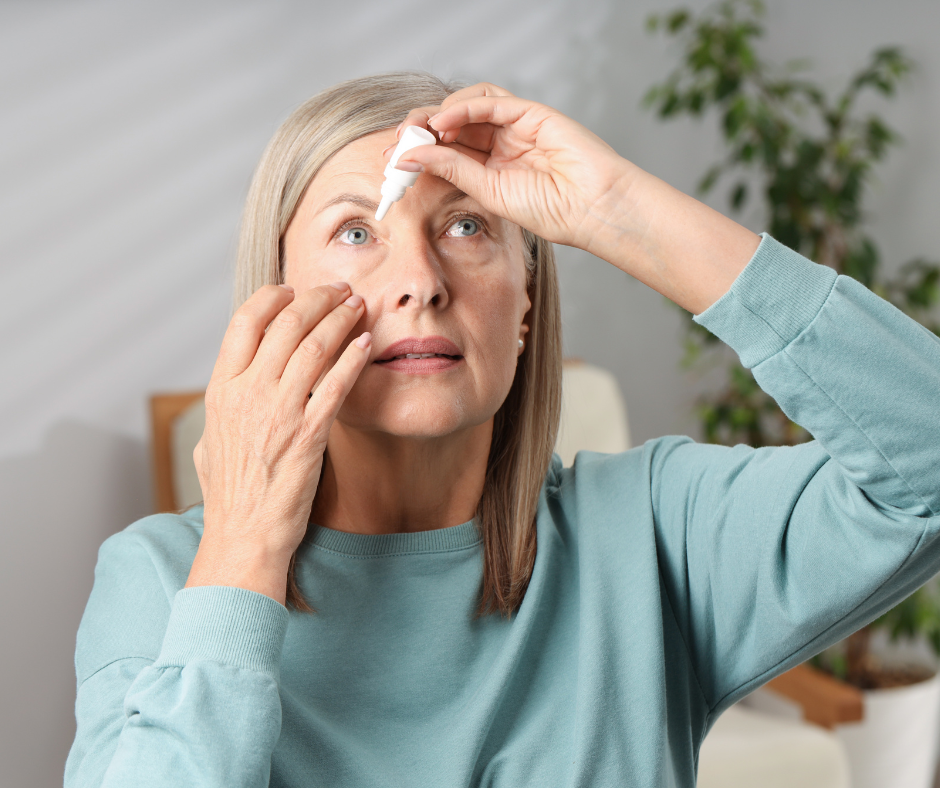
- Use artificial tears to flush out allergens and keep eyes moist
- Apply cool compresses to reduce swelling and discomfort
- Stay well hydrated to support tear production
The Overlooked Factor: Digital Eye Strain
While pollen is a major trigger, screen time can make symptoms worse. Prolonged device use reduces how often you blink, leading to dryness and irritation, especially when combined with seasonal allergies.
Simple adjustments can help:
- Follow the 20-20-20 rule (every 20 minutes, look 20 feet away for 20 seconds)
- Adjust screen brightness and reduce glare
- Blink more consciously to keep eyes lubricated
These small habits can significantly improve comfort during long workdays.
Finding The Right Relief
For many people, over-the-counter solutions such as artificial tears or antihistamine eye drops can provide relief. However, not all treatments work the same for everyone.
If symptoms persist or interfere with daily activities, professional care may be needed. Prescription treatments, including medicated eye drops or allergy management plans, can offer more targeted relief.
In some cases, long-term solutions like immunotherapy (allergy shots) may be recommended for ongoing seasonal allergies.
When To Seek Professional Help
You should consider an eye exam if:
- Symptoms are severe or long-lasting
- Vision becomes blurry or inconsistent
- Only one eye is affected
- Over-the-counter treatments aren’t helping
A proper evaluation ensures that symptoms are correctly diagnosed and managed effectively.
Final Thoughts
Spring eye allergies are common but they don’t have to disrupt your daily life. Understanding your triggers, recognizing early symptoms, and making small lifestyle adjustments can go a long way in keeping your eyes comfortable. If irritation persists or feels unusual, don’t ignore it.
If your eyes feel consistently irritated, watery, or uncomfortable this spring, it may be time to take a closer look. A comprehensive eye exam can help identify the cause of your symptoms and guide the right treatment for lasting relief. Call us today: Toronto: 416-656-2020 | North York: 416-661-5555. Book your appointment online: https://drdorioeyecare.com/book-appointment