

09 Jul Summer Screen Time Surge: What It’s Doing to Your Eyes (Without You Noticing)
Summer often feels like a break from routine; longer days, vacations, relaxed schedules, and more time spent indoors during hot afternoons. But for many people, especially families and working professionals, summer also brings something less obvious: a significant increase in screen time.
Between streaming, scrolling, remote work, online learning, gaming, and digital communication, our eyes are spending more time focusing on screens than ever before. The challenge is that the effects of this shift are often subtle. You may not notice anything immediately wrong, but your eyes do.
The Hidden Shift in Summer Habits
During colder months, routines tend to be more structured. People leave the house for school, work, and errands, naturally breaking up screen exposure throughout the day. In summer, however, routines change.
Children are home from school. Adults may work remotely or take vacation time that still involves digital devices. When it’s too hot to be outside, screens become the default source of entertainment and engagement.
What feels like a harmless seasonal shift can quietly result in extended periods of uninterrupted screen use—often for hours at a time.
The problem isn’t just screen time itself, but the way we use screens: prolonged focus at a fixed distance, fewer breaks, and reduced time spent looking into the distance.
Why You Don’t Notice It Right Away
One of the most important things to understand about digital eye strain is that it doesn’t usually appear suddenly. Instead, it develops gradually.
Your eyes are incredibly adaptable. When something changes, they adjust. This is why many people don’t immediately recognize that their vision or comfort has shifted.
Instead of obvious symptoms, you may start to notice small behavioral changes:
- You sit slightly closer to your screen without thinking about it
- You increase brightness or zoom in more often
- You take fewer breaks because you’re “in the zone”
- You feel more tired at the end of the day but assume it’s general fatigue
These adjustments seem minor, but together they signal that your eyes are working harder than usual.
What Is Actually Happening to Your Eyes
When you spend long periods looking at screens, your eyes are continuously focusing at a close distance. This sustained near focus can lead to a few functional changes over time.
First, your focusing system becomes less flexible. Shifting from near to far vision such as looking from a laptop to something across the room may feel slightly slower or less sharp.
Second, your eyes may begin to experience reduced visual comfort. This doesn’t always mean pain or obvious discomfort. Instead, it can present as a feeling of visual “effort”—as if your eyes are working harder to maintain clarity.
Third, contrast sensitivity may become more noticeable. You might find that reading in dim environments or adjusting to different lighting conditions takes a little longer than it used to.
None of these changes are dramatic on their own. But over time, they can affect how comfortable and efficient your vision feels in everyday life.
Children and Summer Screen Time
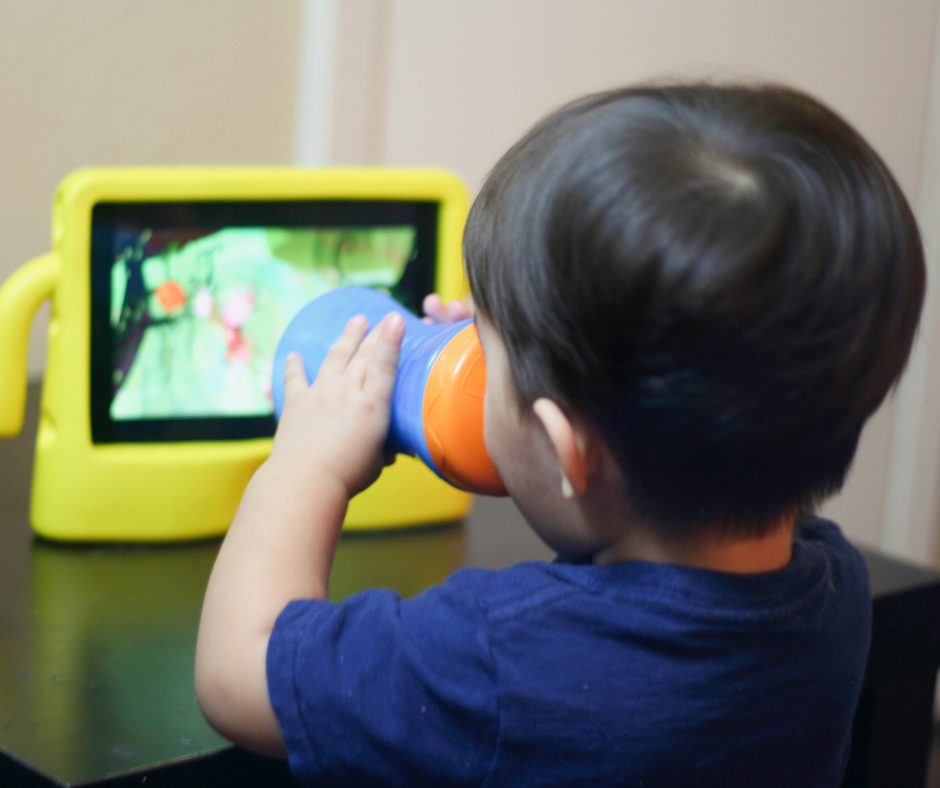
For children, the impact can be even more significant. Summer often means fewer structured activities and more independent screen use—tablets, phones, gaming consoles, and streaming platforms.
Because children’s visual systems are still developing, prolonged near-focused activities without balance can influence visual habits. You may notice a child:
- Moving closer to screens or holding devices very near
- Losing interest in outdoor or distance-based activities
- Complaining of tired eyes after screen use
- Struggling to switch focus between near and far tasks
These signs are often subtle and easy to overlook, especially during a relaxed summer routine. However, early awareness is key to maintaining healthy visual development.
It’s Not Just “Too Much Screen Time”
It’s important to clarify that screen time itself is not inherently harmful. The issue is how it is balanced—or not balanced—with other visual activities.
Healthy vision relies on variety. Your eyes are designed to shift between near, intermediate, and far distances throughout the day. When most of your time is spent at one fixed distance, especially up close, your visual system receives less variation than it needs.
This imbalance is what leads to strain and fatigue—not simply the presence of screens.
Subtle Signs Your Eyes Are Being Overworked
Because changes happen gradually, many people don’t recognize them until they become more noticeable. Some of the early signs include:
- Needing more time to refocus after looking away from a screen
- Feeling visually tired even after adequate rest
- Relying more on screen adjustments (brightness, zoom, distance)
- Difficulty maintaining focus during extended reading or work sessions
- Increased sensitivity to visual clutter or small text
These signs don’t necessarily indicate a serious problem—but they do suggest that your eyes are under increased demand.
What You Can Do to Support Your Eyes This Summer
The good news is that small adjustments can make a meaningful difference in visual comfort:
- Take regular breaks from near work
- Look into the distance periodically to relax focusing muscles
- Ensure proper lighting when reading or using devices
- Encourage outdoor time, especially for children
- Maintain a comfortable viewing distance from screens
Most importantly, be aware of changes that feel gradual rather than sudden. Vision shifts are often easier to manage when identified early.
When to Get Your Eyes Checked
If you’ve noticed consistent changes in comfort, focus, or clarity during or after screen use, it may be time for a comprehensive eye exam.
An eye exam doesn’t just measure vision—it evaluates how well your eyes work together, how they focus, and whether subtle changes are affecting your daily comfort.
Final Thoughts
Summer screen time doesn’t always feel like a problem. There’s no sudden warning sign, no obvious discomfort at first. Instead, it’s a quiet shift—small adjustments in how you sit, how you focus, and how your eyes feel at the end of the day. By the time you notice it, your eyes may already have been adapting for weeks or months. Understanding these subtle changes is the first step toward protecting long-term eye health, not just in summer, but all year round.
If you’ve noticed increased eye fatigue, changes in focus, or discomfort during screen use this summer, it may be time for a comprehensive eye exam. Early assessment can help identify subtle vision changes and ensure your eyes stay comfortable and healthy. Book your appointment with Dr. D’Orio Eye Care today and take a proactive step toward clearer, more comfortable vision.
Call: Toronto: 416-656-2020 | North York: 416-661-5555
Book an appointment: https://drdorioeyecare.com/book-appointment