


20 Oct What Your Eyes Can Tell You About Your Everyday Habits
Your eyes can reveal more about your daily routine than you might expect. Sometimes, small changes in how your eyes feel or how you use your vision can be clues that your everyday habits are putting extra strain on your eyes.
Maybe you find yourself squinting at signs that used to look perfectly clear. Perhaps you are rubbing your eyes more often, holding your phone closer, or turning on a brighter light just to read comfortably. You may even notice that driving at night feels more difficult than it used to.
These signs do not necessarily mean something is wrong, but they are worth paying attention to. Your eyes are constantly adapting to the way you work, read, drive, exercise and use screens. Here are a few everyday habits that may be telling you something about your visual comfort and eye health.
Frequent Squinting Could Be a Clue
Squinting is a natural way of temporarily improving clarity. By narrowing the opening through which light enters your eyes, you can sometimes make blurry details appear sharper.
But if you are squinting regularly to read a street sign, recognize a face across the room or see something on a screen, it may be a sign that your vision is not as clear as it could be.
Changes in vision can happen gradually, which means you may adapt to them without immediately realizing it. What starts as occasionally squinting can become an unconscious habit.
Pay attention to when you find yourself doing it. If it happens frequently, it may be worth having your vision assessed.
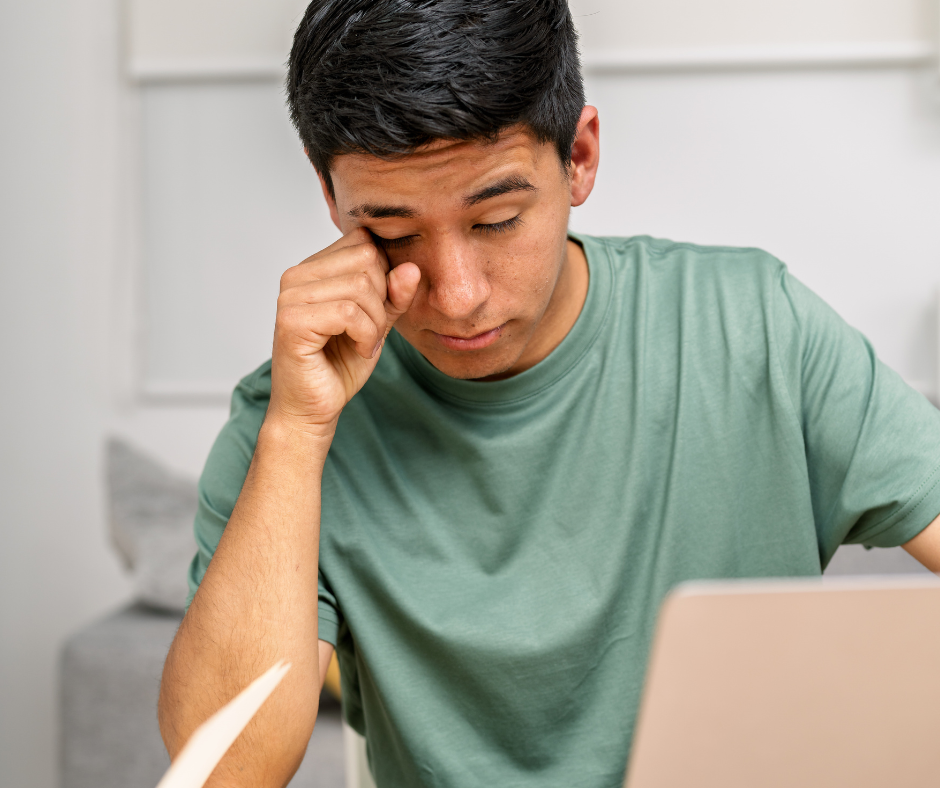
Rubbing Your Eyes More Often?
Almost everyone rubs their eyes occasionally, especially after a long day. But frequent eye rubbing can be a sign that your eyes are feeling irritated, itchy, tired or dry.
Environmental factors such as dust, allergens, wind and dry indoor air can contribute to discomfort. Long periods of screen use can also reduce how often you blink, which may leave the eyes feeling dry or gritty.
Rubbing may provide temporary relief, but repeated rubbing can further irritate the surface of the eyes. Instead of making it a habit, consider what may be causing the discomfort in the first place.
Holding Your Phone Closer
Have you noticed that your phone seems easier to read when you bring it closer?
We naturally hold screens at a comfortable distance, but consistently moving a phone or tablet unusually close to your face can sometimes indicate that small details are becoming harder to see at a normal viewing distance.
This can be especially noticeable when reading small text or looking at detailed images. It is also worth paying attention to whether you regularly increase the font size or zoom in on content that you previously viewed comfortably.
These changes can happen gradually, making them easy to overlook.
Needing More Light to Read
If you find yourself turning on every lamp in the room before reading, your eyes may simply be telling you that your visual demands have changed.
Good lighting can make reading more comfortable, particularly when working with small print. However, a noticeable change in how much light you need may also be associated with changes in vision.
Glare matters too. A room that is technically bright enough can still be uncomfortable if light reflects off a screen or shiny surface and enters your eyes at an awkward angle.
The goal is not simply “more light,” but comfortable, well-directed lighting.
Night Driving Feels Different
One of the most noticeable ways changing vision can affect everyday life is at night.
You may find yourself taking longer to adjust when moving between bright and dark environments, struggling to see road signs, or noticing more glare from headlights. Halos and starbursts around lights can also make nighttime driving feel more demanding.
Night vision can be affected by several factors, including changes in prescription, dry eyes and the natural changes that occur with age.
If you have started avoiding driving at night because it feels noticeably more difficult, that is an important change to take seriously.
Your Screens May Be Telling You Something Too
Screens are a normal part of modern life, but long periods of close-up work can leave your eyes feeling tired.
You might notice burning, dryness, blurred vision, headaches or difficulty refocusing after spending hours on a computer or phone. These symptoms are often associated with digital eye strain.
One reason is simple: we tend to blink less frequently when concentrating on a screen. Looking at something close for extended periods also keeps your visual system working continuously at a near distance.
Taking regular breaks, consciously blinking and adjusting your screen position can help make screen-heavy days more comfortable.
Listen to What Your Eyes Are Telling You
Your eyes do not always send an obvious warning. Sometimes, they communicate through small changes in everyday behaviour. Squinting more often. Rubbing your eyes. Holding your phone closer. Needing brighter lighting. Struggling with night driving.
None of these signs automatically points to a specific eye condition. But together, they can be useful reminders to pay attention to how your vision is changing. Your everyday habits can provide valuable clues about your visual comfort. When something feels noticeably different from the way it used to, it is worth understanding why.
Book an appointment today to discuss changes in your vision and learn more about your eye health.
Toronto: 416-656-2020 | North York: 416-661-5555
drdorioeyecare.com/book-appointment