


27 Oct Why Headlights Look Brighter at Night: Understanding Glare, Halos, and Night Vision
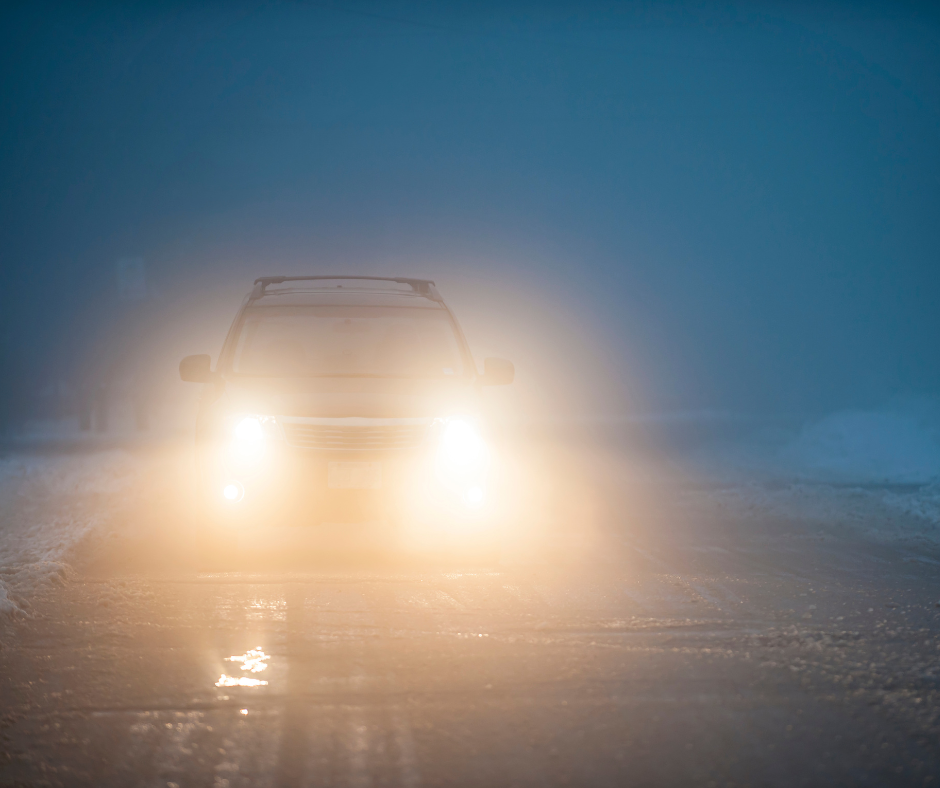
Have you ever driven at night and thought, “Why are those headlights so bright?”
For many people, nighttime driving can feel very different from driving during the day. Headlights seem more intense, streetlights can appear surrounded by halos, and bright lights may leave you feeling like you need to squint or look away.
Some of this is a normal result of how our eyes work in low-light conditions. But changes in vision, dry eyes and other factors can also make glare and halos more noticeable.
Understanding why this happens can help you recognize when nighttime visual discomfort is simply part of the environment and when it may be worth paying closer attention.
Why Headlights Feel So Bright at Night
During the day, there is plenty of ambient light around you. Your pupils are relatively smaller, and your surroundings provide contrast that helps you distinguish objects.
At night, the situation changes. Your pupils naturally become larger to allow more light into your eyes. That extra light is helpful for seeing in darker conditions, but it can also make bright headlights feel more intense.
The contrast between a dark road and a bright headlight can be especially dramatic. Your eyes are constantly moving between areas of very different brightness, which can make nighttime driving feel visually demanding.
What Are Halos and Starbursts?
Halos are rings or glowing areas that appear around light sources. Starbursts can look like rays extending outward from headlights or streetlights.
Occasionally noticing these effects does not necessarily mean there is a problem. However, if halos or starbursts are becoming more prominent, they may be worth discussing during an eye assessment.
Several factors can contribute to these visual effects. Changes in your prescription can affect how light is focused by the eyes. Dryness on the surface of the eye can also interfere with the smooth passage of light.
The quality of the eye’s optical system matters because light needs to travel through the cornea, lens and other structures before reaching the retina.
Your Prescription Can Make a Difference
Even a relatively small change in prescription can become more noticeable at night.
During the day, surrounding light may make minor changes in clarity less obvious. At night, however, bright lights against a dark background can highlight blur, glare and other visual imperfections.
If you have noticed that road signs are harder to read, headlights appear less crisp, or you are squinting more frequently while driving, your prescription may be one factor worth checking.
Dry Eyes Can Add to the Problem
The surface of your eye plays an important role in vision. A healthy tear film helps create a smooth optical surface.
When the eyes become dry, that surface can become less consistent. Vision may fluctuate, and bright lights can feel more uncomfortable.
Dry eyes can become more noticeable during colder months, in dry indoor environments or after long periods of screen use. Because we tend to blink less while concentrating on screens, prolonged digital activity can also contribute to dryness.
If your nighttime vision seems worse after a long day at a computer, dryness may be part of the picture.
Age Can Change Night Vision Too
Our eyes naturally change as we get older. One change that can affect nighttime vision involves the lens inside the eye.
Over time, the lens can become less clear and less flexible. Changes in the lens can affect how light passes through the eye and may contribute to increased glare or difficulty seeing in low-light conditions.
This does not mean that struggling with headlights is simply something you should accept as you age. Changes in nighttime vision are worth discussing, particularly if they are affecting your confidence or comfort behind the wheel.
When Should You Pay Attention?
Occasional glare from an especially bright vehicle is one thing. A noticeable or persistent change in your nighttime vision is another.
Pay attention if you are experiencing increasingly strong halos, significant glare, difficulty reading road signs, trouble adjusting between bright and dark environments, or a noticeable decline in your ability to see while driving at night.
Sudden changes in vision should always be taken seriously, particularly if they occur alongside flashes, a sudden increase in floaters, a curtain-like shadow or a loss of vision.
Making Nighttime Driving More Comfortable
There are a few simple habits that can help reduce visual discomfort while driving at night.
Keep your windshield clean, inside and out, since smudges and streaks can scatter light and make glare worse. Make sure your glasses are clean and that you are using the appropriate prescription. Avoid looking directly into oncoming headlights when possible and focus your attention on the road ahead.
If your eyes feel dry, remember to blink regularly, especially after spending a long day looking at screens.
Most importantly, do not ignore a noticeable change in how you see at night.
Nighttime glare is common, but persistent changes in clarity, halos or night vision deserve attention. Understanding what your eyes are experiencing can help you make informed choices about your vision and your comfort on the road.
If nighttime driving has become noticeably more difficult, book an appointment to discuss your vision and eye health.
Toronto: 416-656-2020 | North York: 416-661-5555
drdorioeyecare.com/book-appointment